
If you find old floor tiles while planning a kitchen refit, pause before lifting them. Asbestos floor tiles can look ordinary, and the adhesive beneath them may also contain asbestos. Arrange a competent assessment before anyone strips, scrapes or grinds the floor. The result should inform both the asbestos work and the specification for your replacement flooring.
Finding asbestos does not automatically mean the whole kitchen floor must be removed. The useful question is whether the existing materials can remain undisturbed through your planned renovation. A simple flooring refresh and a refit involving new pipe routes, floor repairs or underfloor heating may need very different approaches.
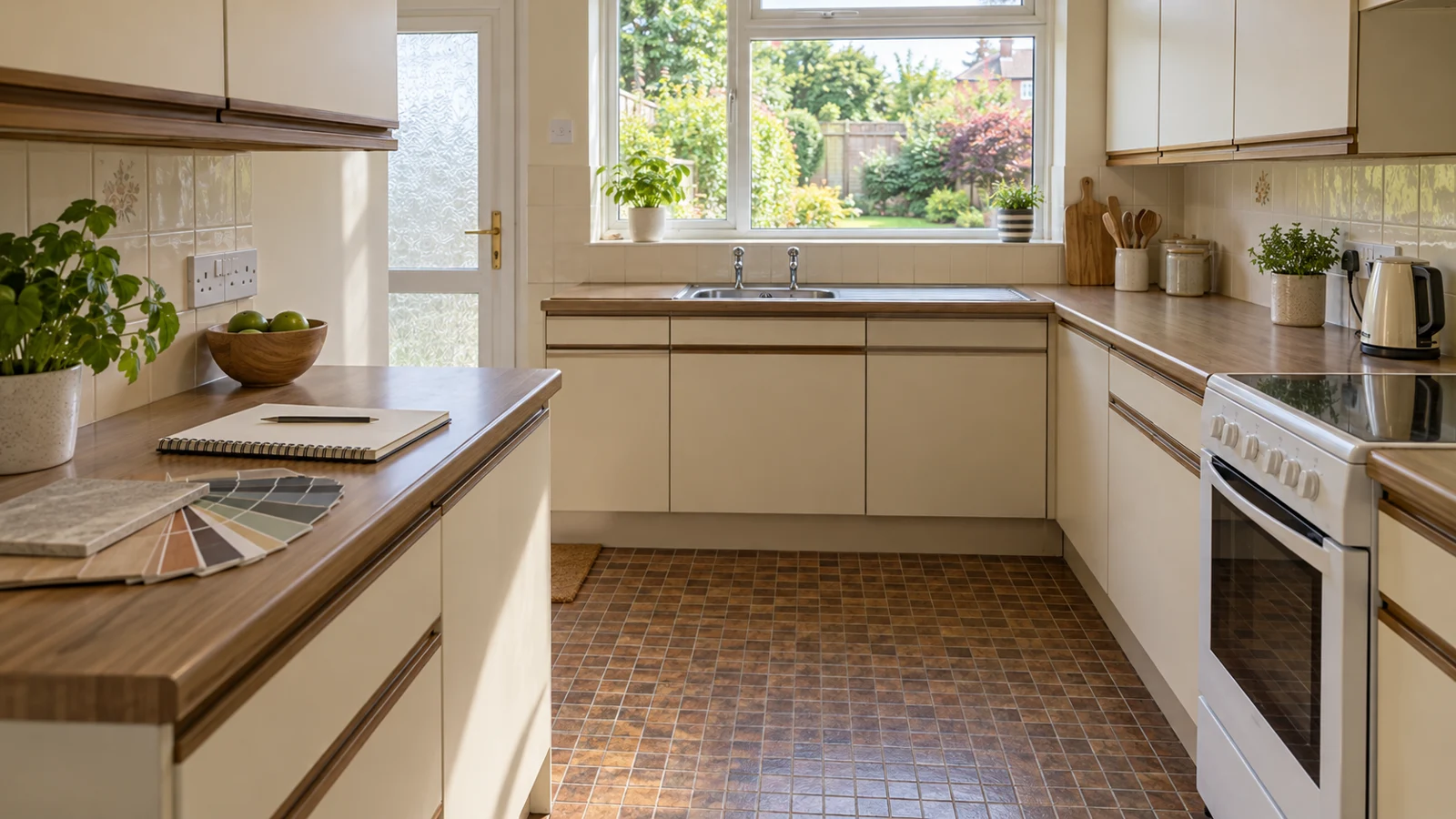
This guide focuses on planning an older kitchen renovation, rather than DIY asbestos removal. The featured image is an AI-generated illustration of an older kitchen; it does not identify the floor as asbestos-containing.
Can you recognise asbestos floor tiles by sight?
No. Colour, tile size and a photograph cannot reliably establish whether a floor contains asbestos. Older vinyl and thermoplastic tiles are among the products that may contain it. An old-looking tile is a reason to investigate, rather than proof of a positive result.
The HSE asbestos survey guide also describes asbestos use in flooring adhesives and some backing materials. The visible surface is therefore only part of the picture. A modern covering may conceal earlier flooring underneath.
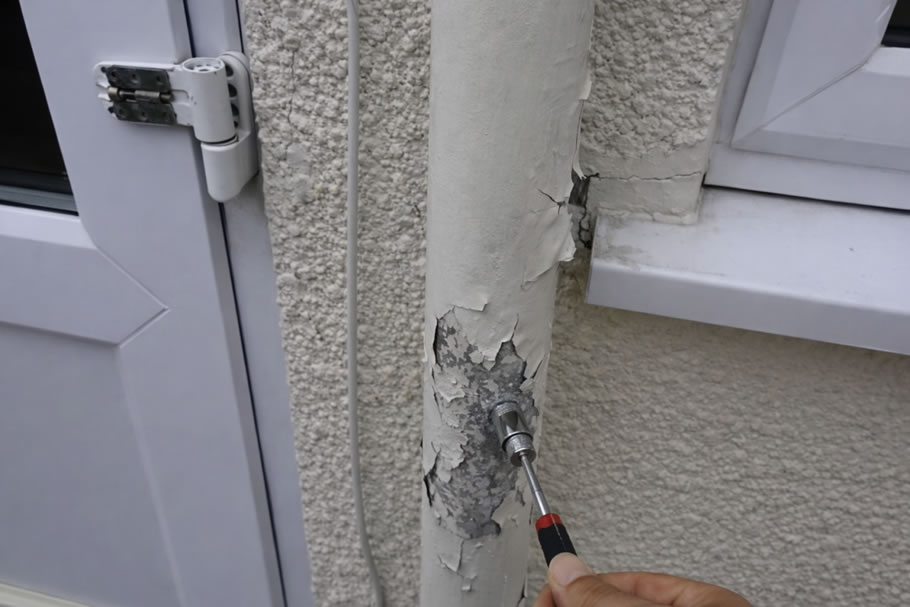
Do not lift a corner to see what is below, break off a sample or scrape adhesive for a closer look. If a refit has already exposed suspect tiles, leave them alone and tell the kitchen fitter what you have found. Appearance alone cannot establish that black adhesive is asbestos-containing either.
What should the asbestos assessment cover?
Give the surveyor the actual renovation plan. Include the intended flooring, any new appliance positions, plumbing changes, floor levelling and work to adjoining rooms. A sketch and existing property records are useful; you do not need to uncover hidden surfaces yourself.
Ask whether the tiles, adhesive and any other suspect layers need separate assessment. A negative result for one material should not be treated as clearance for every layer of the floor. Equally, a positive adhesive result needs to be reflected in the work specification even if the tiles are negative.
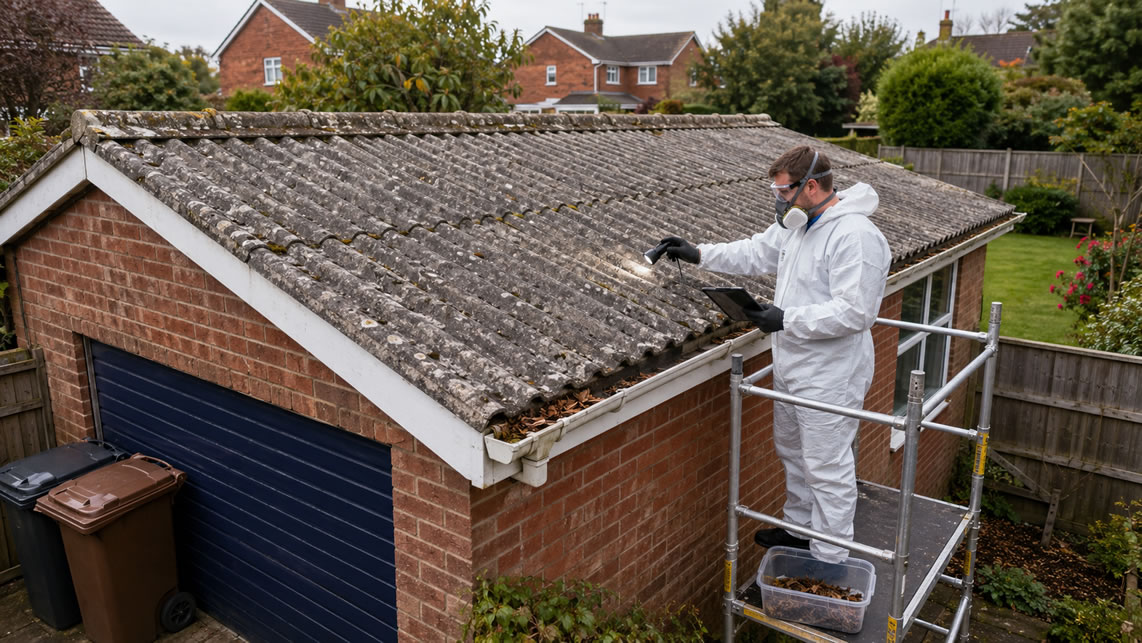
A targeted test can answer a specific material question. A more intrusive kitchen refit may need a refurbishment survey covering the areas being disturbed. The HSE guidance on asbestos surveys explains the different survey purposes and the importance of a competent surveyor. Our existing guide to asbestos surveys and testing covers the broader process.
Read the report’s limitations as carefully as its results. If flooring below fixed units was inaccessible, the report should make that clear. Ask how those areas will be assessed before strip-out reaches them. Keep the report available for the asbestos contractor, kitchen fitter and flooring installer.
Should you leave, cover or remove asbestos floor tiles?
Choose an approach with the asbestos specialist and flooring installer together. A decision that suits the existing tiles may still cause problems for the new finish, particularly if its installation requires mechanical preparation.
| Option | When it may be considered | What to resolve first |
|---|---|---|
| Leave in place | Sound materials can remain undisturbed during the planned work. | Confirm that plumbing, fixing and future maintenance will not disturb them. |
| Cover with a suitable system | The existing floor is suitable and a professional specification allows it. | Check preparation methods, adhesive compatibility, thresholds and appliance clearances. |
| Professional removal | The materials are unsuitable to retain or the renovation will disturb them. | Agree the scope for tiles and adhesive, waste arrangements and the condition of the remaining floor. |
Keeping the existing floor needs a workable installation plan
HSE’s advice for householders explains that sound asbestos materials unlikely to be damaged can often remain in place. This is a condition-based decision, not permission to carry out ordinary floor preparation over them.
Ask the installer exactly how the new floor would be fitted. If their usual method involves sanding, grinding, drilling or scraping the old surface, the asbestos assessment must come first. A proposed covering should not conceal an unresolved disturbance problem.
Check the finished height too. Additional layers can affect doors, transitions into a hallway, plinths and the space available for a dishwasher. Confirm these details before ordering cabinets or committing to a flooring system. Keep a record of any asbestos left underneath for future owners and tradespeople.
Removal should account for the adhesive
A quote for lifting tiles may leave adhesive on the subfloor. That distinction matters if the next contractor expects a clean surface ready for levelling or bonding. Agree what will remain, whether it contains asbestos and what follow-on work can safely take place.
The work classification depends on the material, its condition and the proposed method. Ask the contractor to explain whether the job is non-licensed, notifiable non-licensed or licensed work, rather than assuming all asbestos jobs have the same requirements. The HSE licensing guidance explains when a licence is required.
How to plan a kitchen refit around suspect floor tiles
Before you begin: have your renovation sketch, any existing survey reports and the proposed flooring specification available. A notebook or digital folder is sufficient. These steps are for organising professional work; they do not require sampling or removal tools.
- Pause work that could disturb the floor. Tell everyone working in the kitchen about the suspect tiles or adhesive. Keep the material undisturbed until it has been assessed.
- Define the full renovation scope. Record flooring changes, pipe routes, unit removal and any work affecting adjoining rooms. Give this information to a competent asbestos surveyor.
- Obtain and review the assessment. Ask what the results cover, whether hidden layers or inaccessible areas remain unresolved, and which options suit the planned work.
- Agree the floor handover in writing. Coordinate the asbestos contractor and flooring installer. Specify what will remain, any required checks, waste documentation and the condition expected before installation.
- Confirm the sequence before booking fitting. Allow for assessment, any asbestos work and the subsequent floor preparation. Keep reports and completion records with the property documents.
For example, a planned kitchen may combine new cabinets with a change from vinyl to bonded flooring. The cabinet supplier can prepare the layout while the floor is assessed. However, the flooring installer needs the confirmed substrate specification before committing to preparation and fitting. Agree the point at which the installation date can be confirmed, rather than letting the cabinet delivery dictate the asbestos timetable.
If the refit also changes lighting or extractor ducting, consider the ceiling separately. Our guide to asbestos-containing Artex explains why the floor result cannot answer questions about textured coatings elsewhere.
What should you ask when comparing removal quotes?
Compare the scope before the headline price. Room area is useful, but access beneath units, adhesive treatment and the required finish can make apparently similar kitchen jobs different.
- Does the quotation cover the tiles, adhesive and every area identified in the report?
- What work classification applies, and does the contractor hold a current licence where required?
- How will access to the work area be managed, and what arrangements are needed for the household?
- Which cleaning, inspection or clearance arrangements apply to this particular job?
- Are waste transport, disposal and relevant documentation included?
- What floor condition will the next trade receive, and which repairs or levelling works are excluded?
- Is VAT included, and what happens if additional suspect material is discovered?
Ask for the answers in writing. Do not assume an asbestos removal quotation includes a floor ready for the final covering, or that every floor tile job needs the same air testing arrangements. Those details should follow the assessed work.
If you need to find asbestos removal specialists, My Asbestos Quotes offers a free referral enquiry service for independent contractors, including floor tile work. It says enquiries may be passed to up to four specialists depending on availability. Confirm each contractor’s suitability and the scope of their quotation directly.
Frequently asked questions
Does black adhesive prove that a kitchen floor contains asbestos?
No. Some older flooring adhesives contain asbestos, but colour alone cannot confirm it. Ask a competent specialist whether the adhesive needs assessment alongside the tiles.
Can I install underfloor heating above old asbestos tiles?
It depends on the assessed materials and the installation specification. Give the surveyor and heating installer the proposed system details before any preparation starts, including whether the work will disturb the existing floor.
Do I need to remove the kitchen units before the survey?
Do not dismantle units simply to expose suspect flooring. Tell the surveyor what is accessible and agree how any concealed areas will be assessed safely as part of the planned work.
What if tiles break during the kitchen strip-out?
Stop the work, keep people away from the affected area and seek specialist advice. Do not sweep debris or use an ordinary household vacuum to clean up suspected asbestos material.
Does removing the tiles mean the floor is ready for new flooring?
No. Adhesive, substrate repairs and levelling may still need attention. Agree the remaining floor condition with the asbestos contractor and flooring installer before work begins.
Resolve the floor before finalising the refit
Start with the material assessment and a clear renovation plan. Then choose whether retaining the floor is workable or professional removal is needed, and agree exactly what the next trade will receive. You can use the referral service above to request quotations once the scope is clear.