

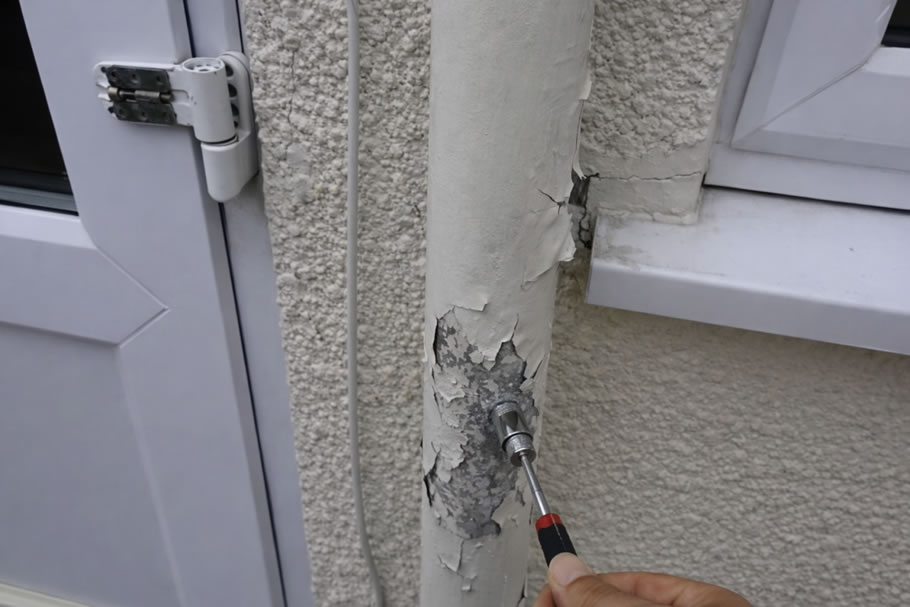
If you’re renovating, buying an older property, or you’ve found a suspicious material (garage roof sheets, soffits, textured coating, old boards), the big question is usually:
“Is it asbestos, and what do I do now?”
You can’t reliably confirm asbestos by looking at it. In practice, you have two routes:
- A survey (best when you need an overview or you’re planning works), or
- Targeted sampling/testing (best when you only need to confirm one specific material)
HSE notes asbestos surveys usually involve sampling and analysis, and they should only be carried out by competent surveyors with the necessary skills and experience.
1) What is an asbestos survey?
An asbestos survey is an inspection designed to locate (as far as reasonably practicable) asbestos-containing materials (ACMs), assess their condition, and record findings so the right decisions can be made.
HSE guidance explains surveys are used to help produce an asbestos register and management plan (for dutyholders in non-domestic contexts), and sets out the two main survey types (management vs refurbishment/demolition).
2) The two main asbestos survey types (and which one you need)
Management survey (least intrusive)
Use when:
- you want to understand what’s present and manage it safely
- you’re not planning major disruptive works right now
- you need a general picture before decorating/light works
HSE describes the aim of an asbestos management survey as identifying ACMs so an asbestos register and management plan can be produced.
Refurbishment & demolition survey (R&D) (fully intrusive)
Use when:
- you’re doing building work that will disturb the structure/materials
- you’re removing walls/ceilings, replacing kitchens/bathrooms, rewiring, removing soffits, stripping a garage, etc.
This type is designed to find ACMs in the areas where works will take place and is typically more intrusive than a management survey. HSE’s survey guidance covers this distinction and why choosing the correct type matters.
Practical rule of thumb:
If your project involves drilling/cutting/removing materials (not just painting), ask about an R&D survey for the relevant areas.
3) What is asbestos testing (sampling), and when is it enough?
Asbestos testing usually means taking a small sample of a suspect material and sending it to a lab to confirm whether asbestos fibres are present and (often) what type.
A lot of homeowners do this when they only need one answer, like:
- “Are these corrugated garage roof sheets asbestos cement?”
- “Does this ceiling textured coating contain asbestos?”
- “Is this board in the cupboard AIB?”
Important: sampling can disturb materials. Many local authority leaflets and safety guidance stress: don’t disturb suspected asbestos and get advice/testing instead.
4) How the process works (survey and/or test)
Step 1: Tell them what you’re planning
- Are you renovating (intrusive works)?
- Or just checking what’s there?
This determines survey type (management vs R&D).
Step 2: Site visit and inspection
The surveyor inspects accessible areas, notes suspect materials, and records location/condition. Some surveys include “assumed asbestos” where sampling isn’t possible or needed (your report should be clear about what’s assumed vs confirmed).
Step 3: Sampling (where appropriate)
Small samples are taken carefully, sealed, labelled, and sent for analysis. HSE emphasises commissioning competent analysts and surveyors.
Step 4: Lab analysis (UKAS accreditation matters)
HSE states that anyone commissioning asbestos analysis must ensure the lab is accredited to ISO/IEC 17025, and that in Great Britain the recognised accreditation is via UKAS.
UKAS also provides a directory to find accredited organisations.
Step 5: Report + next steps
A good report tells you:
- what was found (or assumed)
- where it is
- condition and risk notes
- recommended actions (manage/encapsulate/remove)
- any limitations (areas not accessed)
5) How much do asbestos surveys and tests cost in the UK?
Costs vary by region, turnaround time, property size, and how intrusive the survey needs to be.
Typical pricing patterns you’ll see:
- Sampling/testing: often priced per sample (or small “single item test” packages)
- Surveys: priced by property size and whether it’s management vs R&D (R&D costs more due to intrusive inspection and making-good considerations)
Because pricing is so location-specific, your best move is to request asbestos quotes from 2–3 providers and ensure they’re quoting the same survey type and scope.
6) Choosing a good surveyor / testing provider (the checklist)
Must-haves
- Clear recommendation on survey type (management vs R&D) based on your planned works
- Lab analysis via UKAS-accredited ISO/IEC 17025 lab (ask for details)
- A proper written report with photos (ideally), locations, and limitations
Good signs
- They ask what works you’re planning (not just “how many bedrooms?”)
- They explain what will be sampled vs “presumed”
- They warn you not to disturb materials before the visit
Red flags
- “We can tell by looking—no need to test”
- Vague results (no lab details, no clear findings)
- They won’t confirm lab accreditation for analysis
7) What happens if asbestos is found?
You usually have three options:
- Manage in place (if in good condition and not being disturbed)
- Encapsulate (seal/cover it so fibres can’t escape)
- Remove (often best when it’s damaged, friable, or your refurb will disturb it)
For householders, GOV.UK points people to their local council for asbestos advice and disposal routes.
FAQs
Can I test asbestos myself with a DIY kit?
Some labs will analyse posted samples, but taking the sample yourself can disturb the material. If you’re not trained, professional sampling is safer—especially for higher-risk materials. HSE stresses surveys/testing should be done by competent people, and lab analysis should be via UKAS-accredited ISO/IEC 17025 labs.
What’s the difference between a management survey and an R&D survey?
A management survey is a less intrusive survey to help identify and manage ACMs during normal use. An R&D survey is required before refurbishment/demolition work and is designed to find ACMs in areas that will be disturbed.
Do I need a survey before renovating?
If your renovation will disturb building materials (cutting, removing, drilling, stripping), it’s wise to commission the correct survey for the relevant areas (often R&D). Choosing the correct type is important.
How do I check a lab is accredited?
Use UKAS resources: UKAS explains asbestos testing accreditation to ISO/IEC 17025 and provides a “find an organisation” directory.