
A damp chimney breast needs investigation before you repaint, wallpaper or fit shelving around it. First establish whether moisture is coming from outside, building up in a poorly ventilated flue, or affecting old deposits within the chimney. Repair the identified cause, then agree how the masonry and plaster will be assessed before decorating. Covering a stain alone can leave you paying for the same finish twice.
This guide is for homeowners planning a living-room or bedroom refresh around an existing chimney breast. It explains what to record, what to ask a specialist and how to keep the decorating work in the right order.
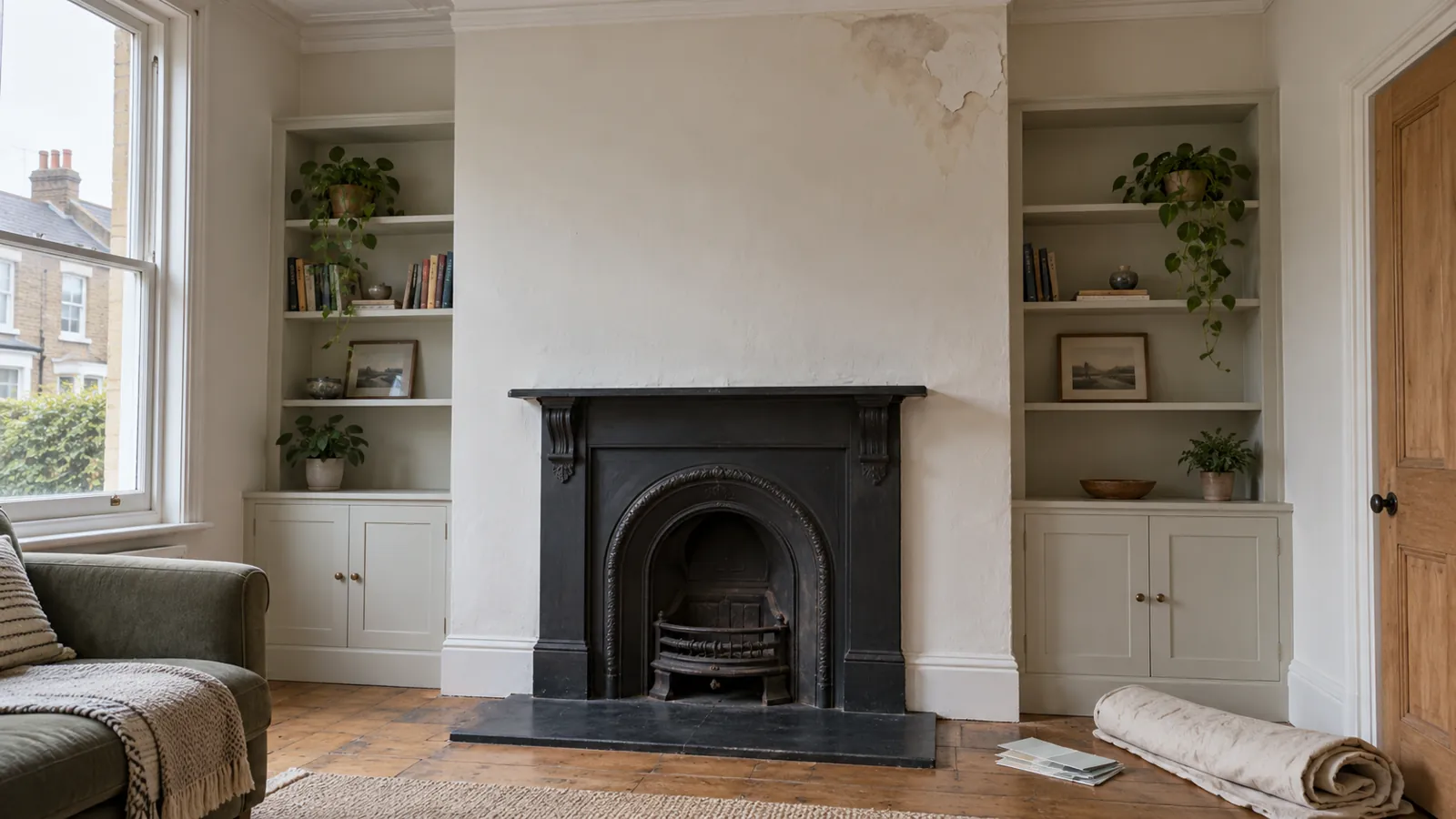
Featured image: AI-generated illustration of a stained chimney breast in a British sitting room.
What does a damp chimney breast look like?
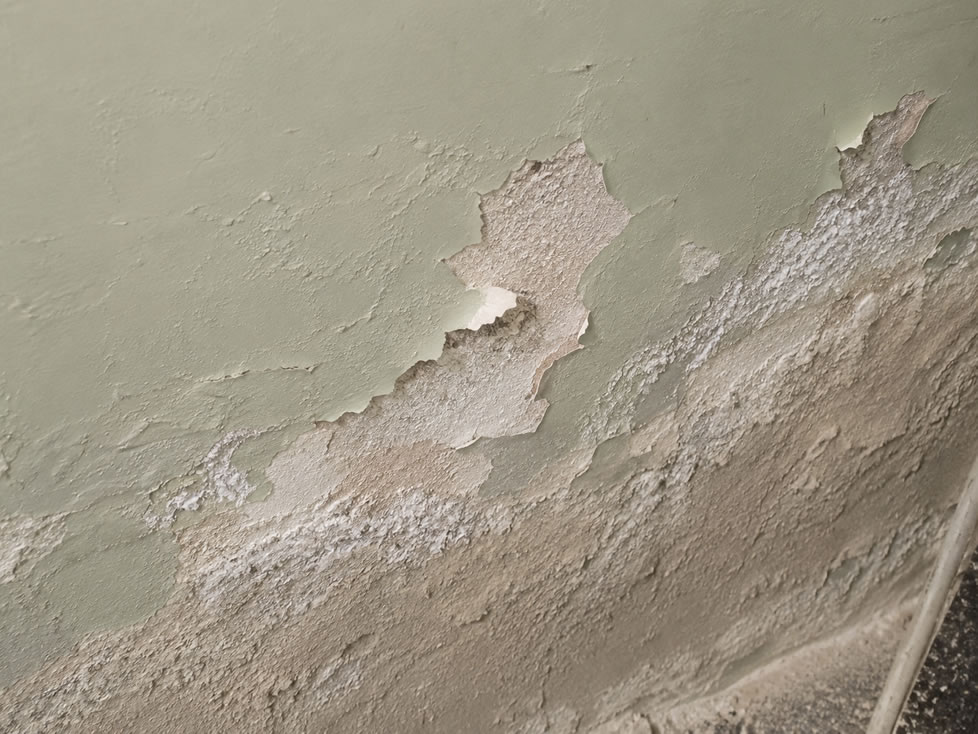
You might notice a yellow or brown mark above the fireplace, a patch near an upstairs ceiling, peeling wallpaper or a powdery deposit on plaster. Note the location and when it changes. Those observations help an inspection, but they cannot identify the cause on their own.
For example, a mark that darkens after wind-driven rain gives the contractor a useful weather clue. A stain around a fireplace that was recently sealed calls for questions about ventilation as well as weatherproofing. Neither observation justifies ordering a particular repair without checking the building.
| What you notice | What to ask about | What it does not prove |
|---|---|---|
| Patch changes after rain | Stack, pots, roof junction and nearby roof coverings | That flashing is the only entry point |
| Damp after a fireplace was closed | How the disused flue is ventilated | That opening a room vent alone will solve it |
| Brown marks keep returning | Moisture, old flue deposits and the plaster condition | That another coat of stain blocker is enough |
| Loose plaster or salts | The moisture source and an appropriate plaster repair | That the entire chimney needs removing |
Keep your checks indoors or at ground level. Do not climb onto the roof, lean from a window or disturb a suspect stack. Falling masonry, a visibly unstable pot or sudden movement needs urgent professional attention; keep people away from the affected area.
What should the chimney inspection cover?
Ask the contractor to explain the route moisture is thought to be taking and show you photographs where access allows. A quote should connect the proposed work to an observed defect, rather than simply list a familiar repair.
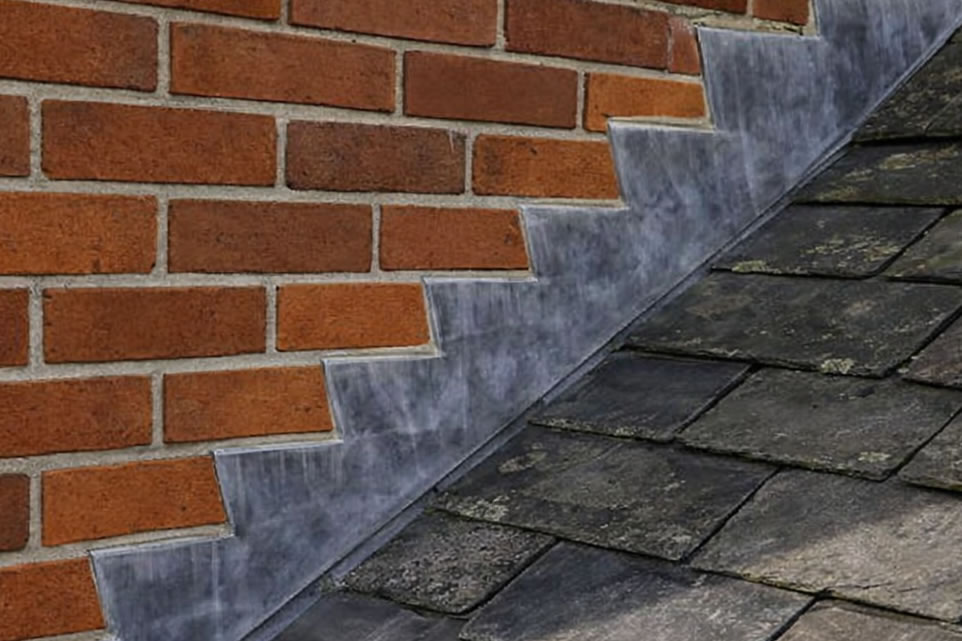
The SPAB guide to chimney maintenance identifies weathered mortar joints, insecure pots, damaged flaunching and defective flashings as maintenance concerns. Flaunching is the shaped mortar around the bases of the pots. Its condition matters alongside the brickwork and roof junction.
A useful assessment may therefore consider:
- The stack: damaged bricks, failed mortar joints and any evidence of movement.
- The top: pot security, flaunching and the suitability of any terminal or cover.
- The roof junction: flashings, the back gutter behind the stack and adjacent roof coverings.
- The flue: whether it is in use, how it is ventilated and whether further internal investigation is needed.
- The room: where plaster is damaged and whether other moisture sources need checking.
If the evidence points to the roof junction, our guide to chimney flashing repairs and leak investigation explains that part of the work in more detail. Flashing repairs are one possible outcome, rather than a default answer to every chimney stain.
On older buildings, ask how the repair materials will suit the existing masonry. SPAB generally recommends lime-based mortar for old chimney repairs. If the stain remains unexplained or previous repairs have failed, seek an independent building surveyor with relevant experience before commissioning another treatment.
Why can an unused chimney breast become damp?
Taking the fire out of use does not remove the chimney’s need for maintenance. The stack remains exposed, while a closed fireplace changes the way air moves through the flue.
Historic England’s guidance on disused chimneys explains that residual ventilation helps keep a flue dry. It also notes that deposits left by combustion can draw moisture from the air and stain internal decorations. An uncapped opening can admit rain, but sealing the flue completely can create a different moisture problem.
Tell the specialist whether the chimney serves a fire, stove or other appliance, including anything in another room. A cover intended for a redundant flue is not automatically suitable for a working one. Have the arrangement assessed before closing openings or changing terminals.
If you want to retain the fireplace as a decorative feature, include the ventilation detail in the design brief. Position furniture and joinery so they do not obstruct an agreed vent. Never light a fire in a previously disused fireplace simply to dry a stain; arrange appropriate inspection and sweeping before considering reuse.
When can you plaster and decorate a damp chimney breast?
Plan the work in three stages: address the cause, assess the wall’s condition, then choose the finish. Ask who will decide whether the surface is ready and what evidence they will use. There is no reliable universal waiting period for every chimney breast.
Drying depends on how wet the structure became, its materials and the conditions in the house. A surface that looks better after a few dry days does not by itself establish that the problem has ended. Keep dated photographs and agree a follow-up if marks change after further rain.
Historic England’s advice on decay and moisture recommends resolving causes before symptoms and explains how salts can damage paint and plaster. It also warns that incompatible impermeable repairs can trap moisture in older buildings.
Ask the plasterer whether existing plaster can remain, which damaged areas need attention and how the proposed system suits the wall. Discuss persistent staining separately from active moisture. A suitable stain-blocking product may be part of the eventual decoration specification, but it is not a repair for a leaking stack or a substitute for investigating the flue.
Leave fitted alcove units, expensive wallpaper and final paint coats until the repair and finishing sequence is agreed. For instance, if a bookcase would hide a vent or prevent inspection of a recurring patch, change its position before ordering it.
How to prepare for a chimney damp assessment
This is a preparation checklist for a professional visit. You need a phone camera, a notebook and any previous repair records. All observations should be made from safe indoor positions or ground level; roof access and opening up are for the appointed specialists.
- Record the pattern. Photograph the whole chimney breast and the affected patch, date the images and note whether rain or room use seems to change it.
- Describe the chimney’s use. List connected fireplaces or appliances and explain when any opening was blocked or a terminal changed. Flag anything you cannot confirm.
- Gather the history. Put previous roof, flashing and plaster repair invoices together, including descriptions of work that did not resolve the stain.
- Explain access and constraints. Mention extensions below the stack, shared chimneys, neighbour access and any known listed status. Ask which permissions or agreements need checking for the proposed work.
- Request a written sequence. Ask for the diagnosis, repair scope, access arrangements, materials, exclusions and follow-up to be set out before agreeing plastering or decoration.
Compare the scope before comparing prices
A useful quote separates inspection and access from the repair itself and from internal making good. Ask whether scaffolding, waste removal, photographs, plaster repairs and VAT are included. Establish who will reassess the problem if the stain changes afterwards and what any guarantee actually covers.
If you need quotations for chimney repairs, Repair Chimney offers a matching service through which independent specialists may contact you about the work. It does not carry out the repairs itself. Use your notes to request an assessment of the cause, then compare the contractor’s proposed remedy and written terms.
Damp chimney breast FAQs
Does a brown chimney stain always mean a roof leak?
No. Rain entry is one possibility, but moisture associated with a disused flue or old combustion deposits may also affect decorations. Record when the stain changes and arrange an assessment before choosing a repair.
Will repointing cure a damp chimney breast?
Only if defective joints are a relevant cause and the repair addresses the affected areas correctly. Repointing does not fix every flashing, terminal or ventilation problem, so ask what evidence supports it.
Can I wallpaper over the stain once it feels dry?
Wait until the cause has been addressed and the plaster and decorating requirements have been assessed. Feeling dry at the surface is not enough to establish that the wall is ready for wallpaper.
Do I need to remove the chimney breast?
A damp patch alone is not a reason to remove it. Investigate repair options first. Removal is a separate project requiring professional assessment of support, approvals and any shared structure.
Start with the cause, then choose the finish
Before committing to a new fireplace surround or a freshly painted feature wall, organise the assessment and keep a record of the agreed work. A clear repair scope and a sensible decorating sequence give your room refresh a better foundation.