

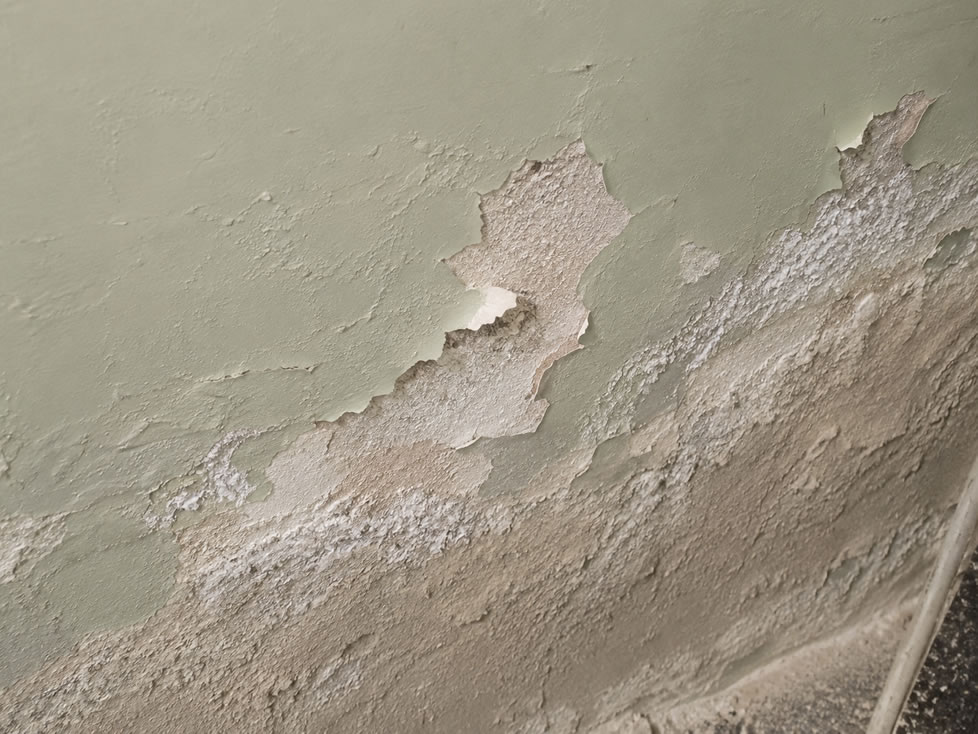
Rising damp is one of the best-known damp problems in UK homes, but it is also one of the most misunderstood. Homeowners often use the term to describe any damp patch on a wall, yet true rising damp has a more specific cause and pattern. In broad terms, it happens when moisture from the ground travels upward through walls or floors, usually because there is no effective damp proof course or because the existing damp proof course has failed or been bridged. Citizens Advice describes rising damp as moisture travelling up from the ground through masonry, typically to a height of about one metre, while Shelter notes that it generally affects the ground floor and rises to around the same height.
If you have peeling paint near floor level, tide marks on internal walls, damaged skirting boards, crumbling plaster or a persistent musty smell downstairs, it may be time to get advice from a damp proofing specialist. However, it is important not to jump straight to treatment without checking the real cause. Damp in a home can also come from condensation, penetrating damp, roof defects, leaking gutters, plumbing leaks or ventilation problems. RICS notes that damp can come from multiple sources, including condensation, penetrating damp and rising damp, while UK government guidance on damp and mould also stresses that effective treatment depends on identifying the actual cause.
This page explains what rising damp is, how to spot it, what causes it, how it is treated, what it can cost in the UK, and why many homeowners start by comparing quotes before choosing a contractor.
Get quotes for rising damp treatment
If you suspect rising damp, comparing quotes can help you understand:
- whether the problem really is rising damp
- whether you need a damp survey first
- what treatment is being recommended
- whether plaster removal and replastering are included
- whether the damp proof course has failed or been bridged
- how much work is needed and what it may cost
- whether outside ground levels, render or internal plaster are contributing to the issue
Because rising damp is often confused with other moisture problems, it is sensible to compare more than one opinion before committing to treatment.
What is rising damp?
Rising damp happens when ground moisture is drawn up through masonry by capillary action. The Property Care Association describes it as external ground water being drawn up through brickwork in this way, and local authority guidance commonly defines it as moisture moving up through walls or floors from the ground.
In many homes, a damp proof course, often called a DPC, is designed to stop this moisture rise. If the DPC is missing, has broken down, or has been bridged by high outside ground levels, render, paths or internal plaster, moisture can begin to travel upward into the lower part of the wall. Shelter notes that rising damp might occur when there is no damp proof course or when it has failed.
Common signs of rising damp in UK houses
True rising damp normally affects the lower sections of ground-floor walls rather than appearing randomly higher up a room. The pattern often reduces with height.
Common warning signs include:
- tide marks on lower walls
- peeling wallpaper or paint near skirting level
- blown or crumbling plaster
- salt deposits on the wall surface
- skirting boards showing decay
- damp patches that stay low down rather than appearing high on the wall
- a cold, clammy feel near the base of the wall
- musty smells in affected rooms
The Property Care Association notes that rising damp is commonly indicated by moisture at the base of the wall reducing with height, often with a visible tide mark and salt contamination in the plaster.
Rising damp vs other damp problems
One of the biggest mistakes homeowners make is assuming that any damp means rising damp. In reality, that is not always the case.
| Damp Type | Typical Cause | Common Location | Usual Pattern |
|---|---|---|---|
| Rising damp | Ground moisture moving up through masonry | Ground-floor walls | Usually low-level, often up to about 1 metre |
| Penetrating damp | Water getting in from outside through defects | External walls, ceilings, chimney breasts | Often patchy and may worsen after rain |
| Condensation | Moist air meeting cold surfaces | Windows, corners, behind furniture | Often with black mould and surface moisture |
| Leak-related damp | Plumbing or roofline faults | Depends on source | Can appear suddenly and in isolated areas |
Citizens Advice and RICS both distinguish rising damp from penetrating damp and condensation, and government guidance likewise warns that damp and mould may come from several different sources.
What causes rising damp?
Rising damp is usually linked to one or more of the following:
Failed or missing damp proof course
Older properties may have no effective DPC, while in some homes the existing barrier may have deteriorated over time. Shelter specifically notes that rising damp can happen where there is no damp proof course or where it has failed.
Bridged damp proof course
Sometimes the DPC is present but has been bridged. This can happen if outside ground levels are too high, if render runs below DPC level, or if internal plaster and debris create a path for moisture to bypass the barrier.
Salt-contaminated plaster
When moisture rises through masonry, it often carries salts with it. These can contaminate plaster and keep attracting moisture even after the main damp source is treated. The Property Care Association highlights chlorides and nitrates in affected walls and plaster as a common feature of true rising damp.
Poor previous remedial work
Some homes have had partial or ineffective damp proofing in the past. If the treatment was incomplete or the underlying cause was never corrected, the problem may return.
Why rising damp matters
Rising damp is not just a cosmetic issue. Left untreated, it can lead to ongoing damage and expense.
It may contribute to:
- damaged plaster and decorations
- decaying skirting boards and joinery
- persistent stale or musty smells
- colder-feeling rooms
- repeated redecoration costs
- possible timber decay in severe cases
- reduced buyer confidence if you later sell the property
Government damp and mould guidance also highlights the wider health risks associated with damp homes, especially where moisture problems persist.
How rising damp is diagnosed
Before treatment is recommended, a specialist will usually inspect the property to assess whether rising damp is genuinely present.
A rising damp inspection may involve:
- checking the pattern and height of wall moisture
- examining skirting boards and plaster
- looking for visible tide marks and salt deposits
- checking whether a damp proof course is present
- identifying whether the DPC has been bridged
- assessing outside ground levels
- considering whether another source, such as condensation or penetrating damp, is more likely
Because rising damp can be confused with other types of damp, many homeowners begin with a survey rather than going straight to treatment. Current UK guides commonly put damp surveys in the region of about £150 to £500, depending on property size and scope.
Typical rising damp treatments
The right treatment depends on the diagnosis and the condition of the wall.
| Treatment | What It Involves | When It May Be Used |
| Chemical DPC injection | Injecting a water-repellent cream or similar treatment into the wall | Common for many standard rising damp jobs |
| Physical DPC retrofit | Installing a new physical damp proof course | More disruptive, often for specific cases |
| Replastering | Removing contaminated plaster and replacing it with suitable plaster/render | Often needed where salts have affected the wall finish |
| Lowering outside ground levels | Removing bridging from paths, soil or render | When the DPC is being bypassed |
| Making good internal finishes | Replacing skirting boards, redecorating, restoring finishes | Usually after the wall has dried and repairs are complete |
Checkatrade’s 2026 damp proofing guide puts injection damp proofing at roughly £60 to £200 per metre, with an average of about £100 per metre, while MyJobQuote’s May 2026 guide puts chemical DPC injection at around £60 to £90 per metre of wall treated.
Typical rising damp treatment costs in the UK
Costs vary depending on the length of wall affected, how much plaster has to be removed, whether external works are needed, and whether the house is terraced, semi-detached or detached.
| Type of Work | Typical Guide Price |
| Small rising damp treatment job | £250 to £1,000+ |
| Chemical DPC injection | £60 to £90 per metre |
| Injection damp proofing, broader guide range | £60 to £200 per metre |
| Standard semi-detached house treatment | Around £800 to £1,500+ |
| More extensive rising damp repairs | Up to £6,500 in severe cases |
| Physical damp proof course retrofit | £2,500 to £7,500 |
MyJobQuote’s January 2026 rising damp guide gives a very broad overall range of about £250 to £6,500 depending on severity and property type, while Checkatrade’s 2026 guide gives physical DPC retrofit at roughly £2,500 to £7,500 and injection work at £60 to £200 per metre. MyBuilder’s late-2025 guide also places injection damp proofing around £40 to £60 per metre for some materials, showing that actual quotes vary by method, area and contractor.
What affects the cost of rising damp treatment?
Length of wall affected
Longer wall runs mean more drilling, more injected material and often more plaster replacement.
Severity of damage
A wall with minor early signs may need far less work than one with extensive plaster damage and timber deterioration.
Replastering requirements
Treatment costs often rise when old plaster has to be hacked off and replaced. Some quotes for a damp proof course exclude making good plaster and finishes. Checkatrade explicitly notes that average damp course costs can exclude plasterboard, render, finishes and drying out.
Property type
Detached houses usually have more external wall area than terraced homes, which can increase the cost. MyJobQuote’s 2026 guide reflects this, with detached houses shown as the most expensive broad category for rising damp treatment.
Whether bridging needs correction
If outside levels, render or debris are bridging the DPC, extra work may be required as part of the solution.
Is professional treatment better than DIY?
For true rising damp, professional diagnosis and treatment is usually far better than trying to deal with it yourself.
| DIY Approach | Professional Approach |
| Often treats the visible patch only | Checks whether the moisture source is genuinely rising damp |
| May rely on stain blockers or anti-mould paint | Identifies DPC failure, bridging or salt contamination |
| Can miss external ground-level issues | Reviews outside wall levels and possible bridging |
| Usually does not address contaminated plaster | Can include proper replastering where needed |
| Risks misdiagnosing condensation or penetrating damp | More likely to distinguish between damp types correctly |
The biggest benefit of professional treatment is not just the product used. It is the diagnosis. Government, RICS and advice bodies all emphasise that damp can have different causes, which means the right solution depends on identifying the real problem first.
What is usually included in a rising damp quote?
Not every quote covers the same scope of work.
| Work Item | Usually Included? | Notes |
| Damp inspection | Often | Sometimes separate as a survey |
| Chemical DPC injection | Often | Common for standard treatment quotes |
| Hacking off damaged plaster | Sometimes | May be extra |
| Replastering | Sometimes | Often priced separately |
| Skirting board removal/replacement | Sometimes | Check before comparing quotes |
| Lowering external ground levels | Usually extra | If bridging is found |
| Redecoration | Usually extra | Often not included |
| Guarantee or warranty | Varies | Check what it covers |
How to compare rising damp quotes
When comparing quotations, do not just focus on the bottom-line price.
Check:
- whether the contractor is confident it is actually rising damp
- whether a survey is included
- what linear metre coverage is included
- whether plaster removal and replastering are included
- whether bridging issues are being addressed
- what guarantee is offered
- whether making good skirtings and finishes is included or extra
A cheaper quote may leave out plastering, making good or external remedial work, which can make the final cost much higher than it first appears.
Why homeowners compare quotes for rising damp treatment
Homeowners usually compare quotes because:
- they want to confirm the diagnosis
- they want to know whether chemical injection is appropriate
- they need to budget for plastering and making good
- they want to compare guarantees
- they want to avoid paying for the wrong treatment
- they want the work done before decoration or renovation
If you suspect rising damp in your house, comparing quotes is one of the best ways to understand the likely cause, the treatment options and the full cost of the job.
Get rising damp treatment quotes
If you have noticed tide marks, low-level damp patches, damaged plaster or musty smells on ground-floor walls, now is a good time to get advice.
Use the quotation form on this page to compare rising damp treatment quotes from local damp proofing specialists.
Frequently asked questions
What is rising damp?
Rising damp is moisture from the ground moving up through walls or floors, usually where there is no effective damp proof course or where the damp proof course has failed or been bridged.
How high does rising damp usually go?
Advice sources commonly describe rising damp as affecting the lower part of a wall, often up to around one metre high.
What does rising damp look like?
Typical signs include tide marks, peeling paint, damaged plaster, salt deposits and rotting skirting boards near floor level.
How much does rising damp treatment cost in the UK?
Current UK guides show a broad range. MyJobQuote’s 2026 guide puts many rising damp jobs between about £250 and £6,500 depending on severity and property type, while chemical DPC injection is often quoted at around £60 to £90 per metre.
Is rising damp the same as condensation?
No. Condensation is caused by moisture in the air settling on cold surfaces, while rising damp comes from ground moisture moving upward through the building fabric.
Do I need replastering after rising damp treatment?
Often, yes. If the existing plaster is contaminated with salts or badly damaged, it may need removing and replacing after treatment. Trade cost guides commonly separate the damp proof course work from plaster making-good.
Can I fix rising damp myself?
You can paint over stains or try to improve surface appearance, but true rising damp usually needs proper diagnosis and remedial work. DIY treatment also risks misdiagnosing another form of damp.
Should I get more than one quote?
Yes. Comparing quotes helps you check whether different contractors agree on the diagnosis, the recommended treatment and what is included in the price.