
Conservatories are designed to bring light and extra space into a home, but they also face harsher conditions than most other rooms. Over time, even a well-built conservatory can start to develop problems that affect comfort, energy efficiency and weatherproofing.
The key for homeowners is understanding what issues are normal, which ones need urgent attention, and when professional repair makes more sense than quick DIY fixes.
Why Conservatories Age Differently to the Main House
Unlike brick-built extensions, conservatories rely heavily on:
- Lightweight roofing systems
- Multiple seals and joints
- External drainage
- Direct exposure to sun, wind and rain
Because of this, wear tends to show earlier. Roof components, seals and guttering usually deteriorate long before the conservatory structure itself.
Early Warning Signs Your Conservatory Needs Attention
Many homeowners don’t realise there’s a problem until water starts dripping inside. However, issues often show subtle signs first, such as:
- Draughts near roof joints
- Increased noise during rainfall
- Condensation forming regularly
- Staining on internal frames
- Water marks appearing only in heavy rain
Spotting these early often keeps repair costs much lower.
The Most Common Conservatory Repair Problems
Roof Leaks
Leaks are the most frequent issue and rarely come from a single cause. Instead, they usually result from a combination of ageing seals, movement and drainage problems.
Leaks often worsen during storms because wind-driven rain finds weaknesses that stay hidden in lighter showers.
Ageing Polycarbonate Roof Panels
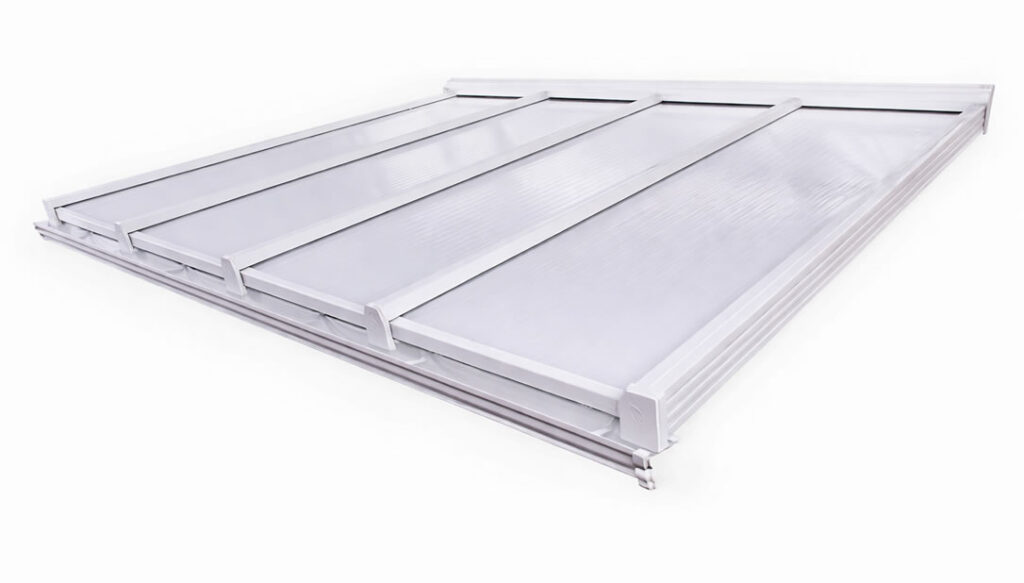
Polycarbonate roofs were extremely popular in older conservatories. Over time, they often:
- Lose clarity
- Become brittle
- Crack near fixings
- Allow more heat loss
While individual panels can sometimes be replaced, widespread ageing usually signals the roof is nearing the end of its useful life.
Faulty Flashing at the House Connection
The joint where the conservatory meets the main house is one of the most vulnerable points. If flashing wasn’t installed correctly—or relied too much on sealant—leaks can appear inside the house as well as the conservatory.
This problem is often mistaken for a roof panel failure.
Guttering and Drainage Problems
Poor drainage causes water to back up onto the roof. When this happens, even good seals can fail under pressure.
Blocked, misaligned or undersized gutters are a surprisingly common cause of repeat leaks.
Condensation and Ventilation Issues
Not all moisture problems are leaks. Poor insulation and ventilation can cause condensation that looks like water ingress.
This is especially common in winter or when the conservatory is heated inconsistently.
Repair or Replacement: How Homeowners Can Decide
In many cases, targeted repairs solve the problem effectively. These might include:
- Resealing joints
- Replacing individual panels
- Repairing flashing
- Improving guttering
However, replacement becomes more sensible when:
- Repairs keep failing
- The roof is over 15–20 years old
- Insulation performance is very poor
- Comfort issues limit use of the space
A professional inspection helps determine which option offers better long-term value.
Why DIY Fixes Often Don’t Work Long-Term
Temporary solutions like silicone sealant or repair tape can slow leaks briefly, but they rarely address the real cause. Conservatory roofs need to flex with temperature changes, and rigid fixes often crack or peel away.
In some cases, repeated DIY attempts actually increase repair costs later.
Getting the Right Advice Matters
Because conservatory systems vary widely in design and age, generic solutions rarely work. Specialists who deal specifically with conservatory repairs understand:
- How water travels through roof systems
- Where leaks usually originate
- Which repairs will last and which won’t
For homeowners researching repair options, this independent guide to conservatory roof repairs and common faults explains repair methods, costs and when replacement makes more sense.
Frequently Asked Questions About Conservatory Repairs
What is the most common conservatory repair issue?
Roof-related problems are the most common, particularly leaks caused by ageing seals, roof panel movement, flashing faults or drainage issues.
Can conservatory roof leaks be fixed permanently?
Yes, if the underlying cause is correctly identified. Proper repairs such as resealing, flashing replacement or panel replacement usually stop leaks long term.
How do I know if my conservatory needs repair or replacement?
If problems are localised and the roof is under 15 years old, repair is often enough. However, widespread leaks, poor insulation or repeated failures often point toward replacement.
Are conservatory repairs expensive?
Costs vary depending on the issue. Minor repairs may cost a few hundred pounds, while larger repairs or partial roof replacement cost more. Early repairs usually reduce overall expense.
Is condensation always a sign of a roof leak?
No. Condensation often results from poor insulation or ventilation and can be mistaken for a leak. A professional inspection helps distinguish between the two.
Can blocked guttering really cause conservatory leaks?
Yes. Overflowing guttering can force water back onto roof joints and seals, leading to leaks even when roof panels are intact.
Should conservatory repairs be handled by specialists?
Yes. Conservatories use different systems than standard roofs, and specialists are more likely to identify the real cause and apply lasting repairs.