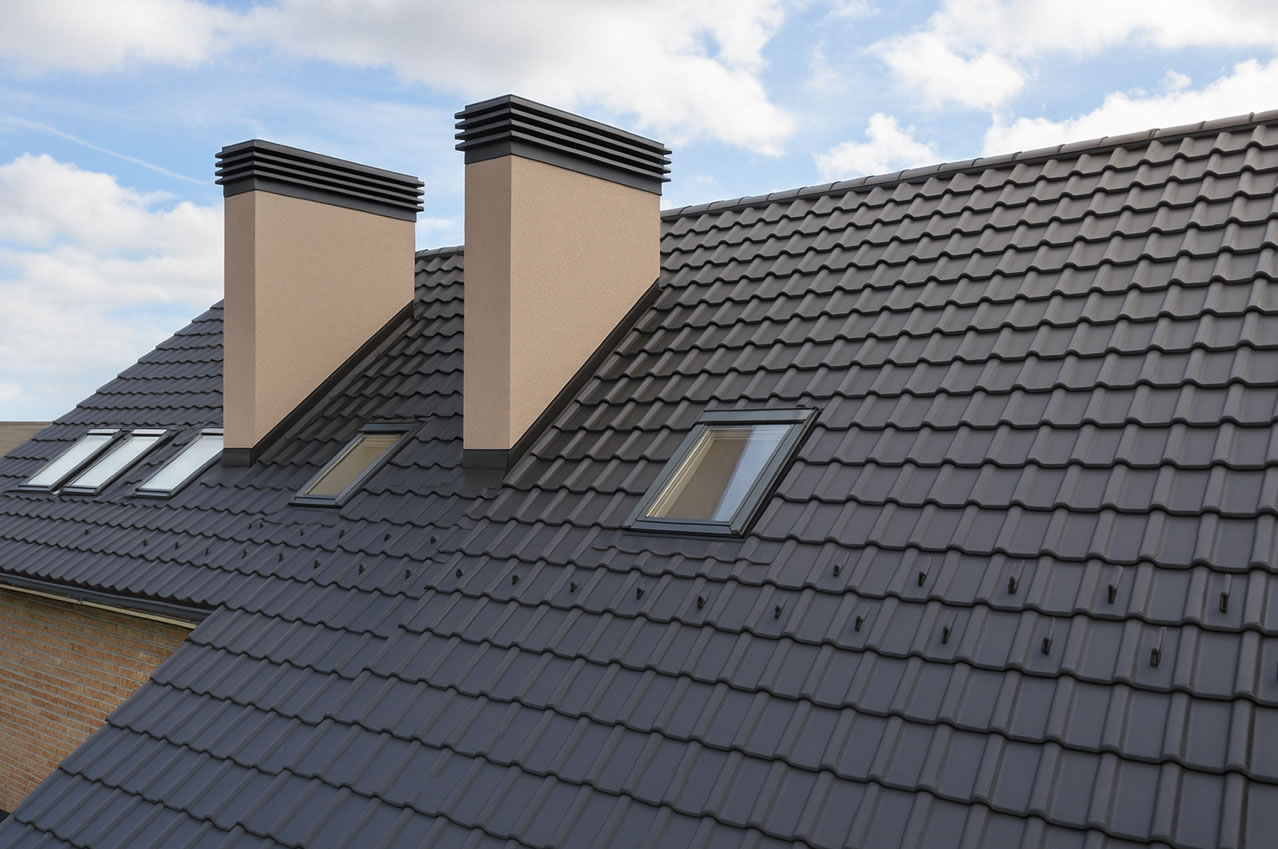

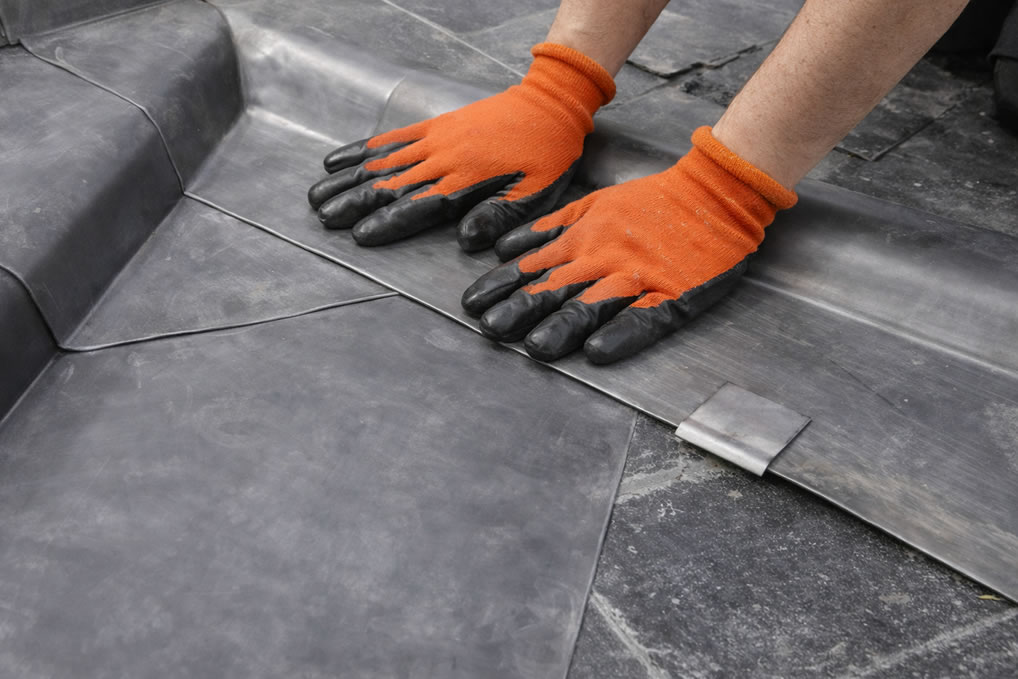
If you’ve got a roof leak near a chimney, dormer, valley, or where the roof meets a wall, there’s a strong chance it’s not “a broken tile”. It’s the junction detail — usually leadwork and flashing.
Flashing is the weatherproof “bridge” between different parts of the roof. When it’s done properly, it lasts years. When it’s done poorly (or patched with mastic), it often comes back as the same leak, again and again.
Even Planning Portal (in the context of rooflights) highlights that weatherproofing at roof junction edges is commonly done using lead flashing or proprietary kits.
This guide explains:
- what leadwork and flashing actually are
- common failure points and symptoms
- what a proper repair looks like (and what’s a red flag)
- what questions to ask before you pay
What is leadwork and flashing on a roof?
Leadwork on a roof usually refers to lead sheet used for weatherproofing and water management at junctions, such as:
- chimney flashings
- abutment flashings (where roof meets a wall)
- valley linings
- dormer junctions
- rooflight/skylight junctions
Lead is still widely used because it’s durable and can be shaped to form watertight details. It’s also a material that needs proper handling and controls for worker safety (lead is a hazardous substance).
The common roof leak spots that are usually leadwork-related
1) Chimney flashing leaks (the classic)
Symptoms
- damp around the chimney breast
- staining on ceilings near chimney
- leaks only in wind-driven rain
Common causes
- lead lifted or split
- mortar “chase” failing where lead is inserted into brickwork
- missing/incorrect soakers at side abutments
Proper fix usually means
- repairing/replacing sections of flashing
- re-cutting/re-securing chase where needed
- checking soakers and surrounding tiles/slates (not just smearing sealant)
2) Roof-to-wall abutments (extensions and dormers)
Where a pitched roof meets a wall, you normally need step flashing + soakers (or an equivalent correct system), not a line of silicone.
Poor abutment detailing is one of the most common “mystery leaks”.
3) Valleys (lead or GRP valleys)
Valleys take concentrated water flow. Small defects become big leaks fast.
Common causes
- splits in valley lining
- debris build-up backing water up
- incorrect tile cutting/fit causing water tracking
4) Rooflights / skylights junctions
Even when the glazing is fine, the edges can leak if the junction isn’t weatherproofed correctly. Planning Portal notes lead flashing or proprietary kits are commonly used for this junction weatherproofing.
What a proper lead flashing repair looks like (vs a bodge)
Proper repair (good signs)
- The roofer shows you photos of the defect and explains how water is getting in
- They talk about the detail: soakers, steps, upstands, chase, laps, outlets
- They rework the junction properly (often lifting tiles/slates locally)
- They replace perished sections rather than “painting it”
Bodge repair (red flags)
- “We’ll just silicone it” as the main fix
- Bitumen paint slapped over leadwork
- No lifting of tiles/slates, no inspection of the joint
- “That’ll do” pricing with no written scope
You want a repair that fixes the path, not just the symptom.
Repair vs replace: when does leadwork need renewing?
Leadwork can often be repaired locally if:
- the rest of the detail is sound
- the defect is a local split, lifted edge, or failed chase section
- surrounding tiles/slates are stable
Replacement is more likely if:
- multiple sections are failing across the junction
- the lead is fatigued/overworked and cracking repeatedly
- the original detail was wrong and needs redesign (common at abutments)
- theft has occurred (sadly common in some areas)
Costs: what influences the price most
Leadwork repairs vary a lot because access and detailing matter.
The biggest cost drivers are:
- scaffolding / roof access method
- height and pitch
- complexity (chimney + valley + dormer junctions add up)
- whether tiles/slates need lifting and replacing
- whether the chase needs re-cutting / re-pointing
Tip: when comparing quotes, don’t compare totals only—compare scope (what is included and what detail is being reworked).
Questions to ask a roofer before agreeing to leadwork/flashing repairs
Copy/paste these:
- “Where exactly is the water getting in, and can you show me photos?”
- “Is this a local repair or does the detail need renewing?”
- “Will you be lifting tiles/slates to fix the junction properly?”
- “Are soakers/step flashing included where relevant?”
- “How will you remake the chase into brickwork (if chimney/wall flashing)?”
- “What guarantee is provided and what does it cover?”
- “If you find damaged battens/underlay when opened up, how will that be handled?”
Homeowner safety note (important)
Don’t go on the roof to “take a look”. Roof work is high risk and should be planned properly. HSE provides extensive guidance on safe roof work planning and risks.
Also, lead is hazardous—competent roofers will follow safe handling practices.
FAQs
What’s the difference between step flashing and soakers?
At roof-to-wall junctions, soakers sit under each tile/slate to catch water, while step flashing covers the joint in steps up the wall. Together they create a robust junction detail (common on pitched roofs).
Why does my roof only leak near the chimney in wind-driven rain?
Wind-driven rain can be forced under lifted flashing edges or into weak mortar joints at the chase. Chimneys are high-risk junctions because they have multiple edges and changes of direction.
Is silicone or mastic ever acceptable on flashing?
It might be used as a small part of a repair in limited situations, but it should not be the main waterproofing method for a failed lead detail. A proper repair usually involves reworking or renewing the flashing detail.
Can lead flashing be repaired without replacing it?
Often yes—if the defect is localised and the rest of the junction is correctly detailed. If the lead is fatigued or the original detail is wrong, replacement is more reliable.