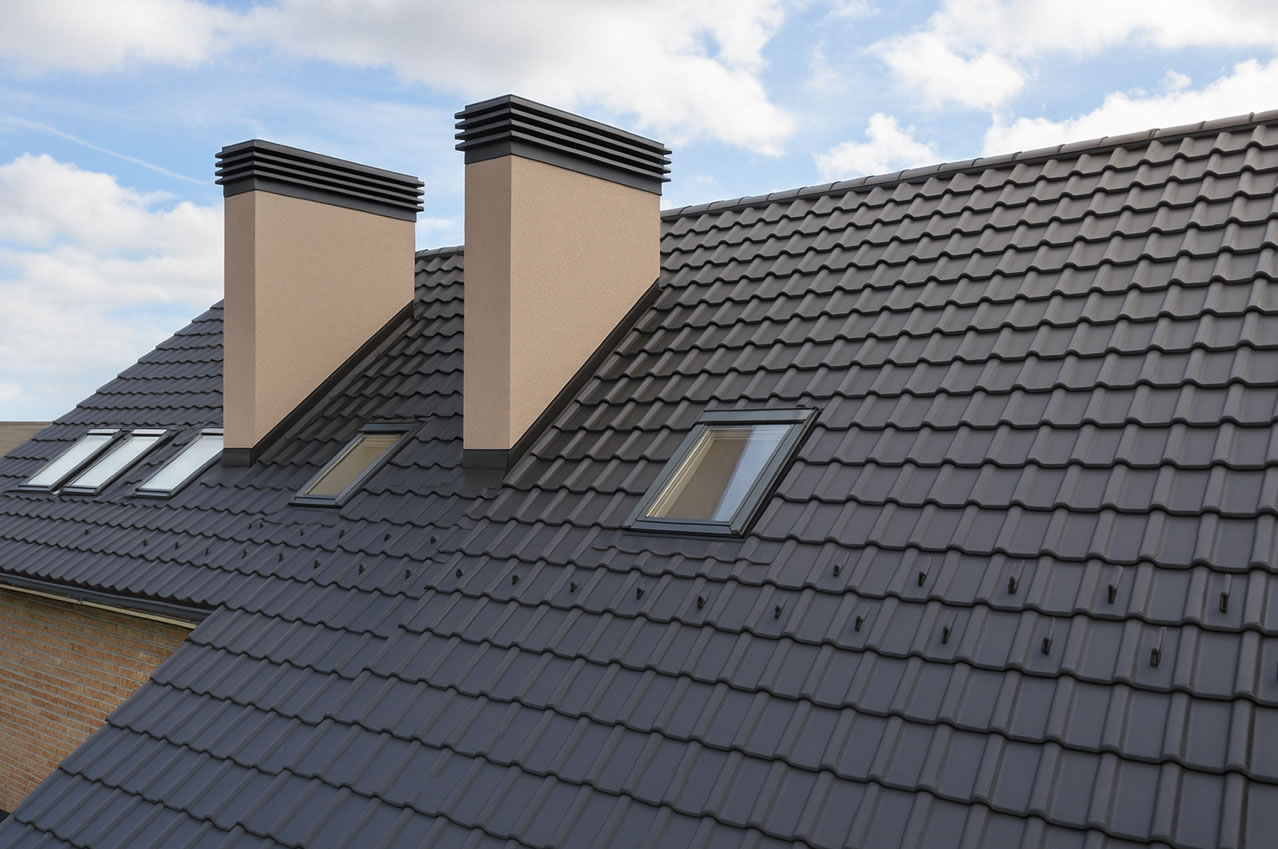


VELUX windows have become one of the most popular upgrades for UK homeowners wanting to add natural daylight, ventilation and architectural interest to their homes. Whether you’re planning a loft conversion, refreshing your kitchen extension, or simply brightening a dark room, VELUX roof windows offer a stylish and practical solution that enhances both the look and comfort of your home.
In this guide, we’ll walk through everything you need to know—from types of VELUX windows and prices to UK planning permission rules, conservation area restrictions, energy efficiency and installation tips.
Why Choose VELUX Windows?
VELUX is widely regarded as the market leader in roof windows, known for high-quality Scandinavian design, durable construction, and innovative features. Here’s why homeowners love them:
- Floods rooms with natural light – ideal for lofts, hallways, kitchens and bathrooms.
- Improves ventilation – helps control condensation and improves indoor air quality.
- Great for small or dark rooms – transforms spaces without structural extensions.
- Energy efficient – options include triple glazing, solar-powered blinds and insulated frames.
- Versatile design options – matches modern, contemporary and period-style properties.
Types of VELUX Windows (Comparison Table)
VELUX offers multiple window styles depending on room type, roof pitch and budget. Here’s a simple comparison:
| Type of VELUX Window | Best For | Key Features | Typical Price (Window Only) |
|---|---|---|---|
| Centre-Pivot (GGL/GGU) | Most loft rooms | Easy to operate, ideal for high installations | £350–£900 |
| Top-Hung (GPL/GPU) | Loft conversions with views | Opens outward for panoramic views | £500–£1,200 |
| VELUX CABRIO Balcony | Premium lofts | Transforms window into a mini balcony | £2,000–£3,500 |
| VELUX Roof Terrace | Loft-to-terrace projects | Floor-to-ceiling outdoor access | £3,000–£5,000 |
| Flat Roof Window | Kitchen extensions | Dome, flat glass or curved glass aesthetics | £900–£2,500 |
| VELUX Sun Tunnel | Dark hallways, bathrooms | Reflective tube brings daylight where windows can’t | £350–£850 |
VELUX Window Prices & Installation Costs (UK)
Cost varies by size, style, glazing and installation complexity. Here’s a rough estimate:
| Product | Price Range (Supply Only) | Installed Cost Range |
|---|---|---|
| Centre-pivot window | £350–£900 | £800–£1,800 |
| Top-hung window | £500–£1,200 | £1,000–£2,200 |
| Flat roof window | £900–£2,500 | £1,500–£3,500 |
| Sun tunnel | £350–£850 | £700–£1,400 |
| CABRIO Balcony | £2,000–£3,500 | £4,000–£7,000 |
| Blinds & accessories | £50–£500 | N/A |

Costs vary based on roof access, scaffolding, internal plastering, insulation and finishing.
Do You Need Planning Permission for VELUX Windows?
The good news for most homeowners:
✔ VELUX windows usually fall under Permitted Development (PD).
You do not need planning approval if the window:
- Does not protrude more than 150mm beyond the roof plane.
- Is not higher than the existing roof ridge.
- Uses obscure glass & non-opening below 1.7m from floor level on side-facing elevations.
You will need planning permission if:
- Your property is in a conservation area, national park, AONB, or World Heritage Site with stricter rules.
- The window significantly alters the roofline.
- You are creating a roof terrace or balcony (e.g., VELUX CABRIO).
- Your local authority has removed PD rights (common on new-build estates).
VELUX Windows in Conservation Areas
Homes in conservation areas must preserve the character and appearance of the area. Therefore:
Likely Approved:
- Flush-fitting roof windows (e.g., VELUX Conservation Style).
- Black or dark grey external frames.
- Matching existing roof material aesthetics.
Often Restricted or Requires Permission:
- Windows that protrude noticeably from the roofline.
- Highly reflective glazing.
- Adding multiple roof windows on a prominent elevation.
Always check with your local planning authority for area-specific requirements.
Energy Efficiency & Glazing Options
VELUX offers several glazing choices:
- Double glazing – Standard, good thermal performance.
- Triple glazing – Ideal for energy-efficient homes and noisy areas.
- Noise reduction glazing – For urban settings.
- Solar control glass – Reduces overheating in south-facing rooms.
- Laminated safety glass – Required above certain heights for safety.
VELUX frames include ThermoTechnology™ for vastly improved insulation.
Quality Assurance Schemes to Look For (UK)
Hiring the right installer is essential. Look for:
VELUX Certified Installer Programme (VIP)
Installers approved by VELUX for quality workmanship and product knowledge.
FENSA or CERTASS Certification
Ensures compliance with UK building regulations (mainly for replacement windows).
TrustMark Registered Contractors
Government-endorsed quality scheme for home improvements.
NFRC (National Federation of Roofing Contractors)
Useful when roof structure changes are required.
Installation Considerations
- Roof pitch must match the window model specs.
- Internal plastering or boarding may be needed.
- Extra structural work may be required for large windows.
- Proper flashing kits ensure waterproofing—never skip these.
- Solar-powered electric windows need no wiring.
A professional installer will advise on ventilation, structural support, and insulation.
Design Inspiration: Where VELUX Windows Work Best
Loft Conversions
Maximise head height and add natural light where standard windows are not possible.
Kitchens & Extensions
Flat roof windows and sun tunnels brighten the heart of the home.
Bathrooms
Reduce condensation issues with opening roof windows.
Hallways & Stairwells
Create an airy feel and improve navigation.
Bedrooms
Blackout blinds and triple glazing create quiet, restful spaces.
VELUX Window Repairs: What Homeowners Should Know
Even though VELUX windows are designed to last 20–30 years, they can occasionally need maintenance or repair—especially in older loft conversions. Common issues include worn seals, condensation between panes, stiff hinges, draughts, and small leaks around the flashing. Many of these problems can be fixed without replacing the entire window.
Specialist roof window repairs technicians can often:
- Replace glazing units with modern energy-efficient panes
- Renew flashing kits to stop leaks
- Fit new seals, vents, or hinges
- Repair stiff opening mechanisms
- Install upgraded solar or electric controls
- Service older GGL/GGU units to extend lifespan
For windows over 15 years old, a repair can be a cost-effective alternative to full replacement. However, if the timber frame is deteriorating or the glazing is failed, upgrading to a new VELUX model often improves insulation and can reduce energy costs.
Frequently Asked Questions (FAQ)
1. How long do VELUX windows last?
Typically 20–30 years, depending on maintenance and exposure.
2. Are VELUX windows energy efficient?
Yes—modern VELUX windows are A-rated and available in triple glazing.
3. Can VELUX windows be cleaned easily?
Centre-pivot sash rotates 180°, allowing easy cleaning from inside the room.
4. Do VELUX windows add value to a home?
Yes. They improve natural light, aesthetics, and energy performance—all desirable to buyers.
5. Can I have blinds or shutters?
VELUX offers blackout, solar, heat-control, insect screens, and electric blinds.
6. How long does installation take?
Most single windows take 3–5 hours plus internal finishing.